Understanding DCIM System: Revolutionizing Data Center Management
In today’s digital world, the efficiency and reliability of data centers are critical for business operations. One of the most effective tools driving this efficiency is the DCIM system. But what exactly is a DCIM system, and why is it becoming indispensable for modern data centers? This article explores every aspect of DCIM systems, including their benefits, key components, implementation strategies, and frequently asked questions.
What is a DCIM System?
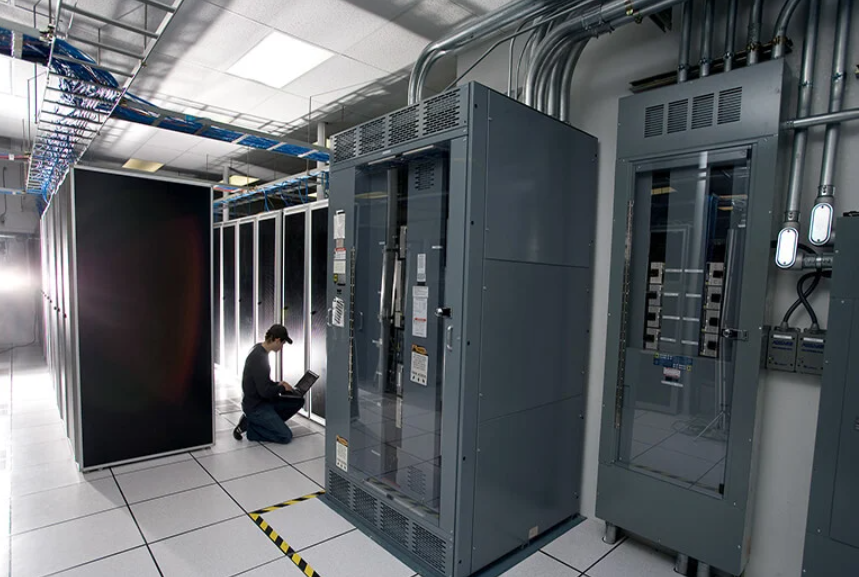
A DCIM system—short for Data Center Infrastructure Management system—is a comprehensive solution designed to monitor, manage, and optimize the critical infrastructure of a data center. Unlike traditional monitoring tools, DCIM integrates both the IT equipment and the facility infrastructure, providing a centralized platform for managing power, cooling, space, and network resources.
Essentially, a DCIM system bridges the gap between IT operations and facility management, allowing organizations to make informed decisions regarding their data center resources.
See also: How Home Security Systems Enhance Peace of Mind
Key Features of a DCIM System
A robust DCIM system provides several essential features that enhance operational efficiency:
- Real-Time Monitoring: DCIM systems track temperature, humidity, power usage, and network activity in real time, reducing the risk of downtime due to environmental or operational issues.
- Asset Management: It maintains a detailed inventory of all IT equipment, servers, storage devices, and network components, helping organizations optimize space and resource allocation.
- Capacity Planning: By analyzing trends in power consumption, cooling, and space utilization, DCIM helps predict future requirements, ensuring scalability and efficient resource planning.
- Energy Efficiency Optimization: DCIM enables the identification of energy waste and implements strategies to reduce power consumption, significantly cutting operational costs.
- Alerts and Notifications: Advanced DCIM systems send automated alerts in case of anomalies, allowing quick corrective actions to prevent downtime.
- Reporting and Analytics: Comprehensive reports on performance, utilization, and potential risks allow data center managers to make data-driven decisions.
Benefits of Implementing a DCIM System
Investing in a DCIM system can transform the way data centers operate. Some of the key benefits include:
- Enhanced Operational Efficiency: By centralizing monitoring and management, data centers can optimize workflows and reduce manual intervention.
- Reduced Downtime: Real-time alerts and predictive analytics minimize the risk of outages.
- Cost Savings: Optimized energy usage and better resource allocation lead to significant cost reductions.
- Improved Scalability: DCIM helps plan future expansions and upgrades efficiently, avoiding resource bottlenecks.
- Regulatory Compliance: DCIM systems assist in maintaining compliance with industry standards by tracking operational metrics and maintaining records.
Components of a DCIM System
A DCIM system comprises several core components, each serving a unique function:
- Monitoring Tools: Sensors and software modules that continuously track environmental conditions and IT equipment performance.
- Management Software: Centralized software that integrates data from all sensors, enabling visualization and control of the data center infrastructure.
- Data Analytics Engine: Processes the collected data to provide actionable insights, predictive analytics, and reporting.
- User Interface: A dashboard that allows administrators to monitor the entire infrastructure, configure alerts, and access reports.
How to Implement a DCIM System
Implementing a DCIM system requires careful planning and execution:
- Assessment: Evaluate your current data center infrastructure, including IT assets, cooling systems, and power distribution.
- Define Goals: Determine what you want to achieve with DCIM, such as energy efficiency, asset optimization, or predictive maintenance.
- Select the Right DCIM Solution: Choose a system that aligns with your requirements, ensuring scalability and integration capabilities.
- Deployment and Integration: Install sensors, integrate IT and facility systems, and configure software dashboards.
- Training and Maintenance: Train your staff to effectively use the DCIM system and conduct regular maintenance to ensure optimal performance.
FAQs About DCIM System
Q1: Is a DCIM system only for large data centers?
No. While DCIM systems are highly beneficial for large-scale data centers, smaller data centers can also use them to optimize resources and improve efficiency.
Q2: Can DCIM systems integrate with existing IT management tools?
Yes. Most modern DCIM solutions are designed to integrate seamlessly with existing IT management software, providing a unified view of infrastructure and IT operations.
Q3: How does a DCIM system improve energy efficiency?
By monitoring power usage and cooling requirements, a DCIM system identifies inefficiencies and recommends adjustments, reducing energy waste.
Q4: What is the typical ROI of implementing a DCIM system?
ROI varies depending on data center size and efficiency goals, but organizations often see reductions in energy costs, downtime, and operational overhead within the first year.
Q5: Does DCIM replace IT and facilities teams?
No. DCIM enhances their capabilities by providing real-time data, predictive analytics, and management tools, allowing teams to make better decisions.
Conclusion
A DCIM system is no longer just a luxury—it is a necessity for modern data centers seeking efficiency, reliability, and scalability. By offering real-time monitoring, capacity planning, energy optimization, and predictive analytics, DCIM systems empower organizations to manage their infrastructure effectively. Whether for large enterprises or smaller operations, implementing a DCIM system ensures better decision-making, reduced operational costs, and enhanced data center performance. Investing in a DCIM system today is a strategic step toward a smarter and more resilient data center tomorrow.